When Games Affect the Brain – Understanding the Mechanisms Behind the Urge to Play

When Games Affect the Brain – Understanding the Mechanisms Behind the Urge to Play
Why do some people find it hard to stop playing, while others can walk away without a second thought? The answer lies in the brain. Games – whether it’s a slot machine, a mobile app, or an online lottery – activate the same reward systems that drive our motivation, curiosity, and desire to take risks. To understand why we feel the urge to play, we need to look at what happens in the brain when we do – and why it can be so difficult to stop once we’ve started.
The Reward System – The Brain’s Engine for Motivation
When we play, the brain releases dopamine – a neurotransmitter linked to pleasure, anticipation, and motivation. Dopamine isn’t only released when we win, but also when we expect a win. This means that the excitement and uncertainty of the game can be just as stimulating as the outcome itself.
From an evolutionary perspective, this mechanism helps us seek new experiences and take chances that might lead to rewards. But in modern games, where wins and losses come quickly and unpredictably, the system can become overstimulated. That’s when the urge to play can turn into a habit – or, in some cases, an addiction.
Læs også:


The Power of Unpredictability
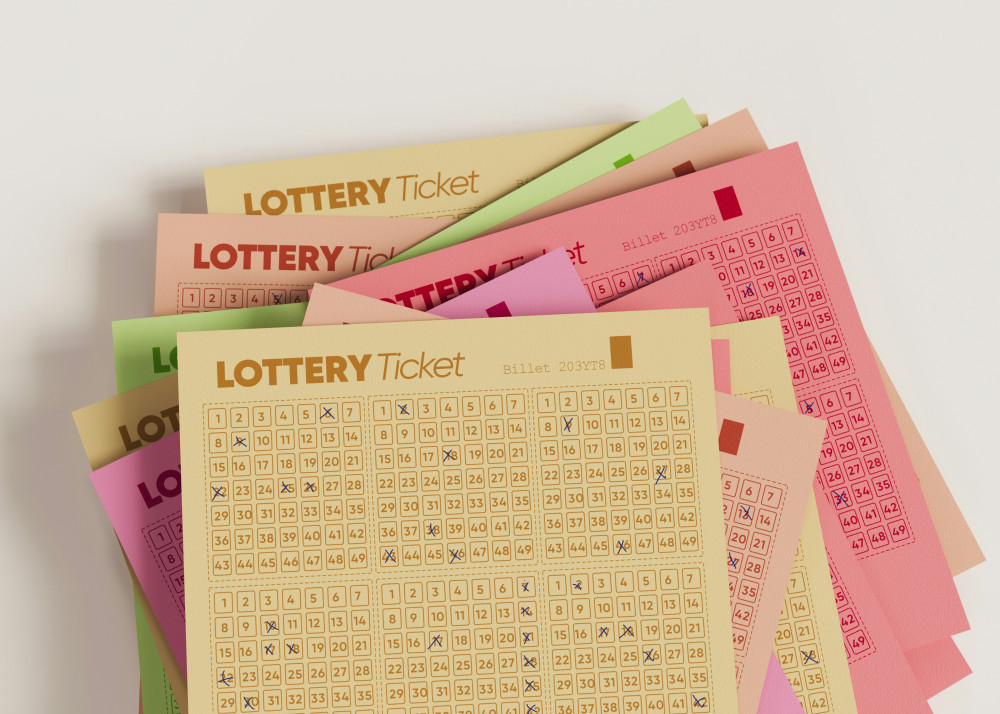
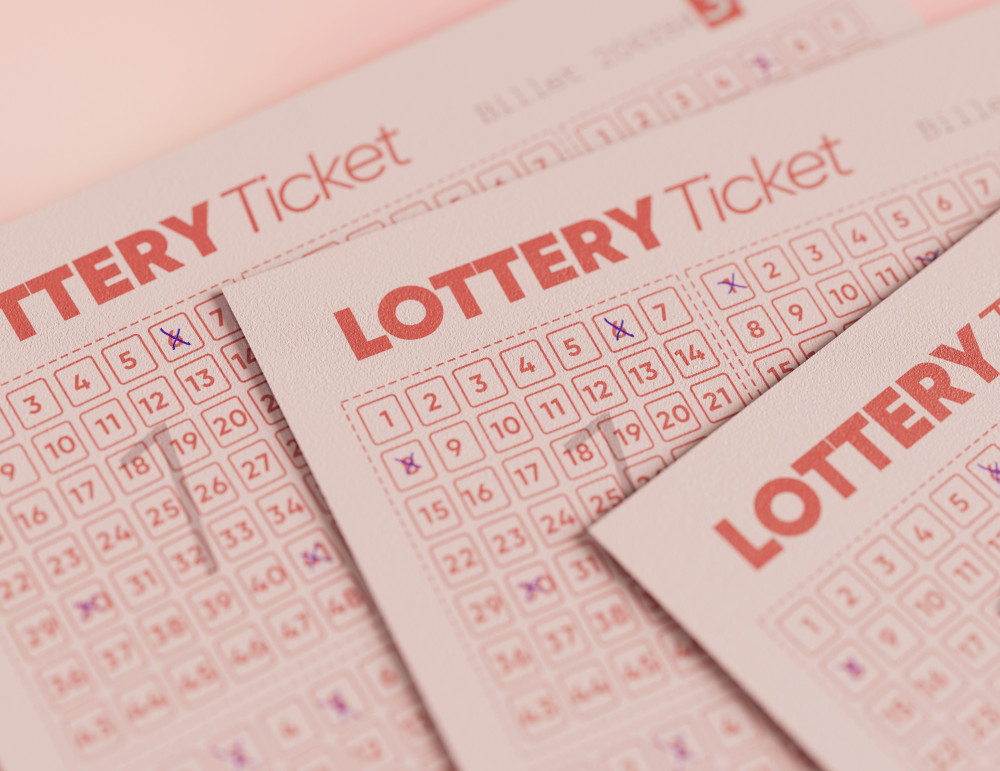
A key element in many games is what researchers call “variable reinforcement.” This means that rewards don’t come every time, but at random intervals – just like in a lottery. This unpredictability keeps the brain expecting that next time might be the win.
It’s the same mechanism that makes us check our phones repeatedly for new messages or notifications. Each small reward strengthens the link between the action and the feeling of satisfaction. Over time, this can create a strong compulsion to repeat the behaviour – even when we know the odds are against us.
When Gaming Becomes an Escape
For some, gaming isn’t just about excitement – it’s also a way to escape stress, loneliness, or worry. When we play, we can temporarily forget everyday problems and feel a sense of control and hope. The brain quickly learns that gaming provides short-term relief, which can make it difficult to stop, even when the consequences become negative.
Research shows that people experiencing high levels of stress or mental health challenges are more at risk of developing problematic gaming or gambling habits. This doesn’t mean that games are inherently dangerous, but that they can become an unhealthy coping mechanism if used to manage emotions.
How Game Designers Use Brain Science
Modern games are built with a deep understanding of psychology and behaviour. Colours, sounds, reward systems, and pacing are carefully designed to keep players engaged. Many games use small wins, “near misses,” and rapid rounds to keep the dopamine system active.
This means that even games that seem harmless can tap into the same brain mechanisms as traditional gambling. That’s why it’s important to be aware of how games affect us – and to recognise when entertainment starts to turn into compulsion.
Playing with Awareness
Understanding the brain’s role in gaming isn’t about avoiding games altogether, but about playing consciously. Here are some tips to help maintain balance:
- Set limits on time and money before you start playing.
- Take breaks – don’t play to escape problems or bad moods.
- Be aware of “near wins” – they can create a false sense of control.
- Talk to someone if gaming starts to take up too much space in your life.
In Ireland, support is available through organisations such as Problem Gambling Ireland and Gambling Awareness Trust, which offer confidential advice and resources for anyone concerned about their gaming or gambling habits.
The Brain as Both Ally and Opponent
Games tap into some of the brain’s most fundamental drives: the desire for reward, excitement, and control. That’s what makes them so engaging – but also potentially risky if we lose sight of our limits. By understanding how the brain responds, we can make more conscious choices and keep gaming what it’s meant to be: a source of enjoyment, not dependency.
Læs også: