Lotteries That Changed the World: Games with Historical and Cultural Significance

Lotteries That Changed the World: Games with Historical and Cultural Significance
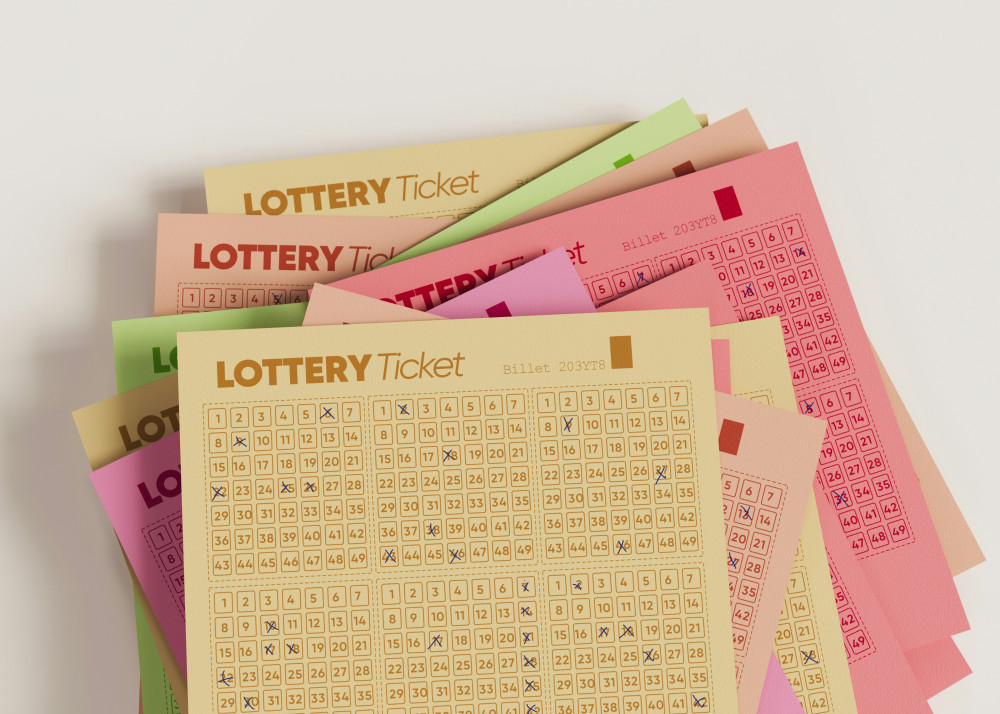
When most people think of lotteries today, they imagine the thrill of a life-changing win – a new home, financial freedom, or the chance to travel the world. Yet throughout history, lotteries have been far more than a gateway to personal fortune. They have built cities, funded education, supported the arts, and even shaped national identities. Here, we explore some of the lotteries that changed the world – and why they continue to hold cultural significance, especially in Ireland.
From Renaissance Europe to the Modern State
The first organised lotteries appeared in Europe during the 15th and 16th centuries. In cities such as Florence, Bruges, and Paris, public draws were used to raise funds for civic projects – from fortifications and bridges to hospitals and churches. In an age when taxation was unpopular and treasuries were often empty, lotteries offered a clever solution: citizens could voluntarily buy a chance at wealth while contributing to the common good.
One of the oldest surviving examples is the Dutch Staatsloterij, founded in 1726 to combat illegal gambling and raise money for the state. Its model – combining entertainment with public benefit – inspired many later national lotteries, including those that would emerge in Ireland and the United Kingdom centuries later.
Lotteries That Built Nations
When European settlers arrived in North America, lotteries became a vital source of funding for the new colonies. They financed roads, ports, libraries, and universities. Harvard, Yale, and Princeton all benefited from lottery proceeds in the 18th century. Even George Washington once organised a lottery to fund infrastructure in Virginia, though it was not a success. Still, the idea of using games of chance to build society took firm root.
A similar story unfolded closer to home. In Ireland, lotteries were used in the 18th and 19th centuries to fund public works and charitable causes. The Irish Hospital Sweepstakes, launched in 1930, became one of the most famous lotteries in the world. Its proceeds supported hospitals across the country, and its tickets – often sold abroad – became symbols of Irish enterprise and philanthropy. For decades, the Sweepstakes helped sustain the nation’s healthcare system before the establishment of the National Lottery in 1987.
From Charity to Community Investment
The 20th century saw lotteries evolve from charitable ventures into structured, state-run institutions. The Irish National Lottery was created with a clear mission: to raise funds for good causes in areas such as sport, culture, heritage, and community development. Every ticket sold contributes to projects that enrich Irish life – from local GAA clubs and youth centres to national arts initiatives and heritage preservation.
This model, where play supports public benefit, has become a cornerstone of modern lotteries worldwide. In the UK, for example, lottery funds have built Olympic training facilities and supported cultural institutions. In Ireland, the same principle ensures that the excitement of the draw translates into tangible improvements in everyday life.
Lotteries in Culture and Imagination
Beyond their economic role, lotteries have left a deep mark on culture. They have inspired writers, artists, and filmmakers, often as metaphors for fate, chance, and human aspiration. The idea that one ticket could change everything captures both the fragility and the hope of the human condition.
In Ireland, the weekly draw has become a shared ritual – a moment of collective anticipation. Families gather around the television or check their numbers online, imagining what they might do if luck finally smiled their way. These small moments of dreaming connect people across generations and communities, turning a simple game into a cultural tradition.
Læs også:


Debate and Responsibility
Despite their benefits, lotteries have not escaped criticism. Some argue that they disproportionately attract players from lower-income groups, raising ethical questions about fairness and social impact. Others worry about problem gambling and the illusion of easy wealth.
In response, Ireland’s National Lottery and similar organisations across Europe have introduced strict regulations and responsible gaming initiatives. Advertising is carefully monitored, and support services are available for those at risk. The goal is to ensure that lotteries remain a form of entertainment that benefits society without causing harm.
A Legacy That Endures
From Renaissance city-states to modern digital platforms, lotteries have evolved dramatically, but their essence remains unchanged: they combine the dream of fortune with the promise of public good. They have built hospitals, funded education, and supported culture – all while giving millions a moment of hope.
When someone in Ireland buys a lottery ticket today, they are taking part in a centuries-old tradition that has shaped communities and nations alike. The lottery is more than a game of chance; it is a reflection of humanity’s enduring desire for luck, change, and connection.
Læs også: