Three Versions of Roulette – and How They Affect the Game’s Dynamics

Three Versions of Roulette – and How They Affect the Game’s Dynamics
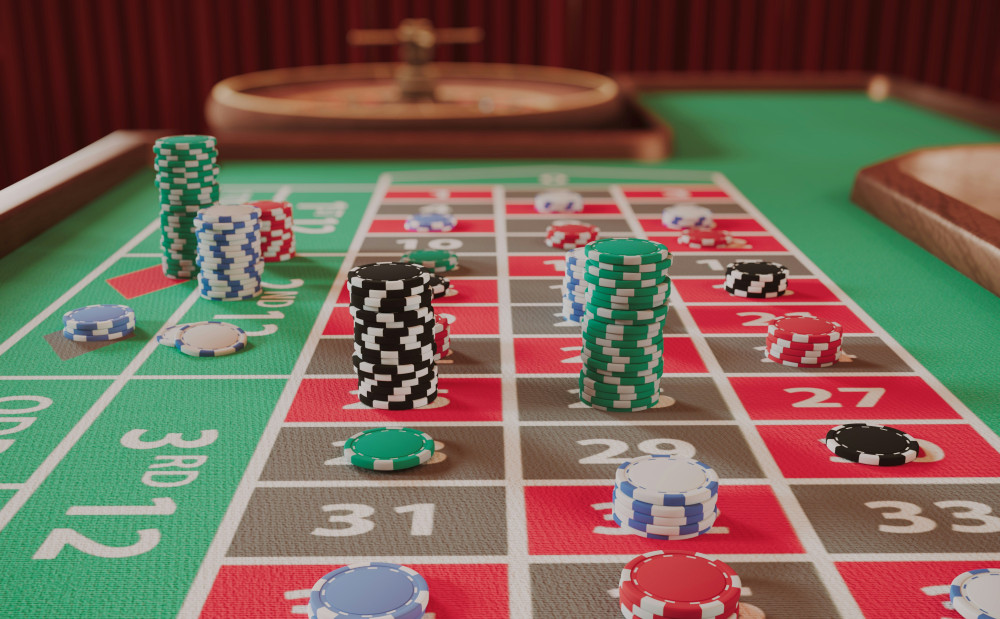
Roulette is one of the most recognisable casino games in the world – a blend of chance, excitement, and simple elegance. Yet, behind the spinning wheel lies a surprising variety of versions, each with its own rhythm, odds, and atmosphere. The three most common are French Roulette, European Roulette, and American Roulette. Let’s take a closer look at how they differ – and how those differences shape the way the game feels and plays.
French Roulette – the classic and most player-friendly
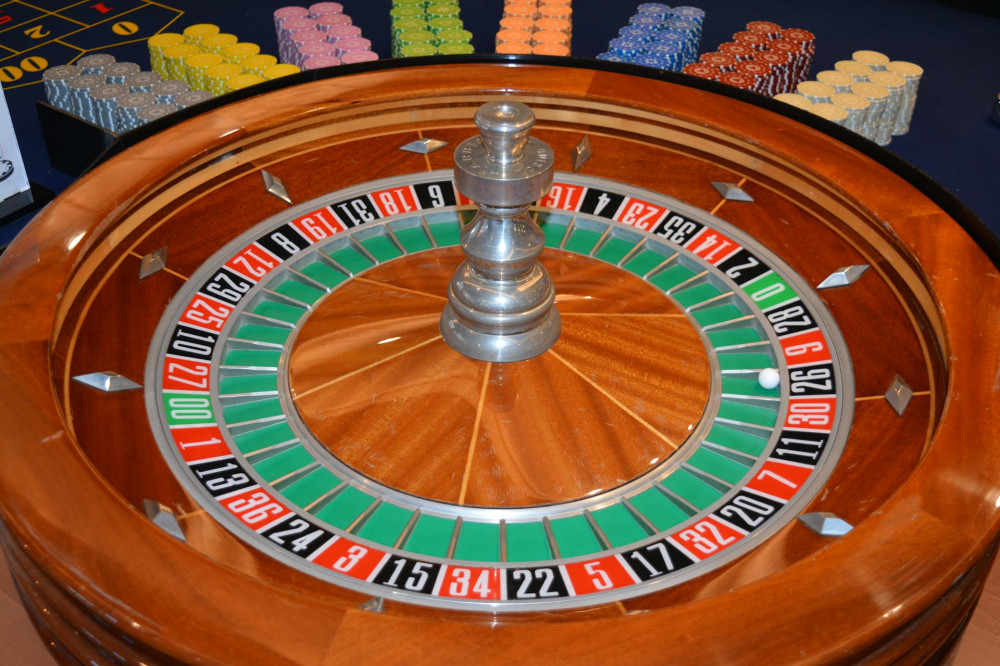
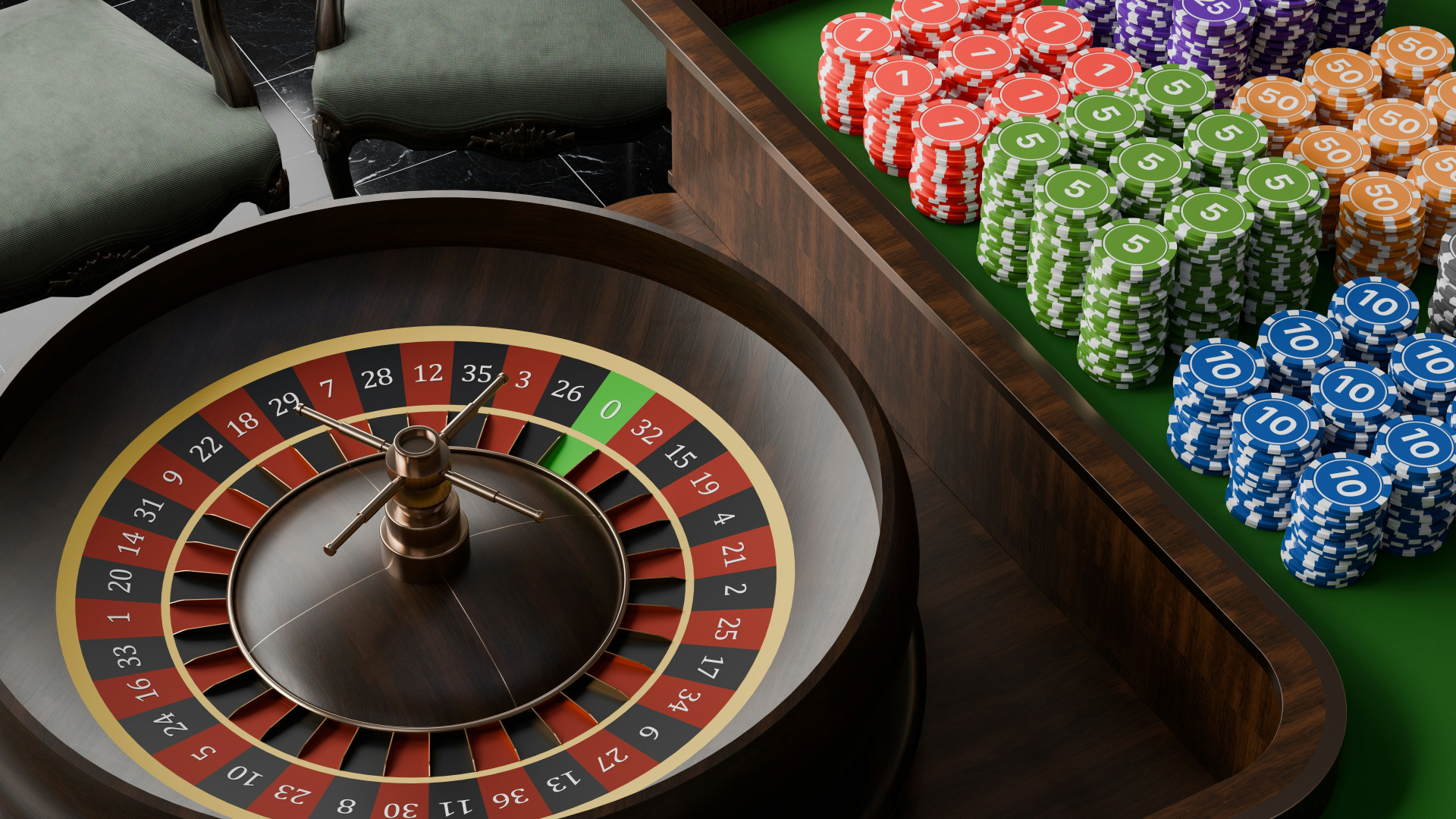
French Roulette is the oldest and most traditional form of the game, dating back to 18th-century France. The wheel has 37 pockets – numbers 1 to 36 plus a single green zero.
What makes French Roulette stand out are its player-friendly rules. When the ball lands on zero and you’ve placed an “even money” bet (such as red/black or odd/even), you don’t necessarily lose your entire stake. Rules like La Partage and En Prison allow you to either get half your bet back or keep it on the table for the next spin. This significantly reduces the house edge – down to around 1.35%.
French Roulette is often played at a slower pace and with a more formal atmosphere. It’s the version for those who appreciate tradition, strategy, and the best possible odds.
Læs også:

European Roulette – the modern standard
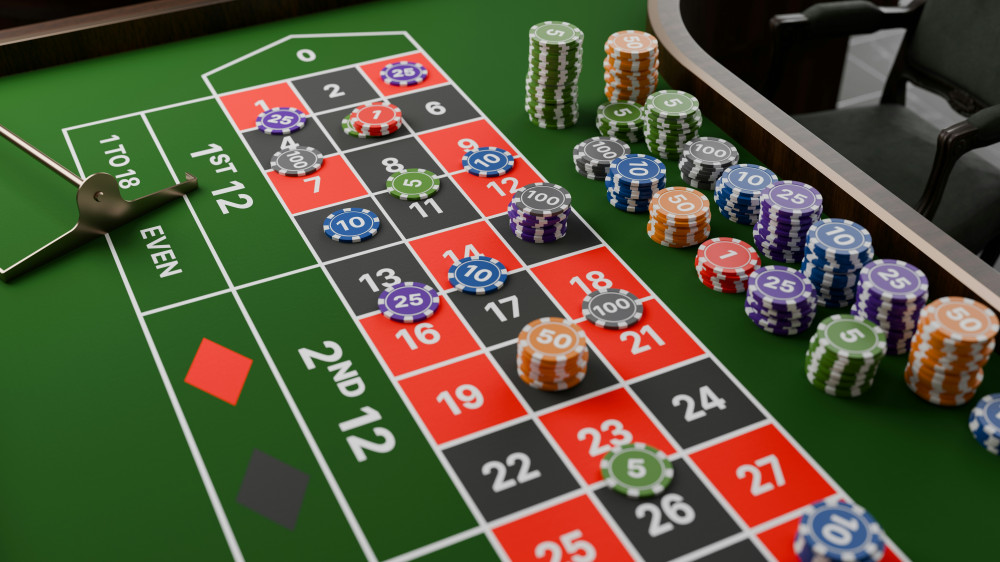
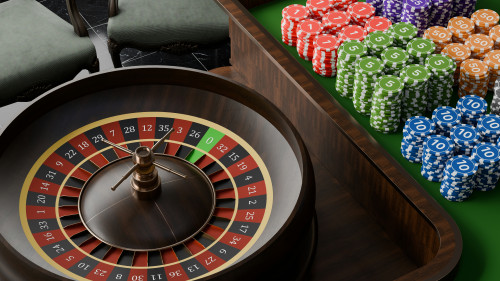
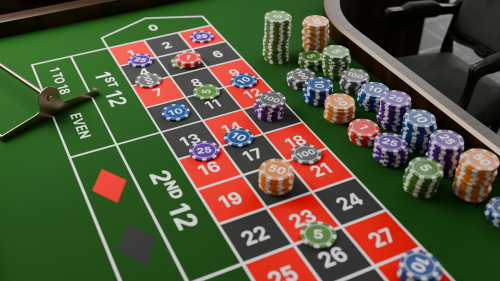
European Roulette is very similar to the French version, but without the special rules that protect the player when zero appears. The wheel still has 37 pockets, and the basic structure of the game remains the same. The main differences lie in the table layout and the absence of La Partage and En Prison in most casinos.
As a result, the house edge rises slightly to about 2.7%. However, European Roulette has become the most common version in both land-based and online casinos across Europe and beyond. It’s faster, more straightforward, and easier for beginners to grasp.
For many players, European Roulette strikes the perfect balance between classic charm and modern pace. It offers fair odds while keeping the action lively and accessible.
American Roulette – faster, but riskier
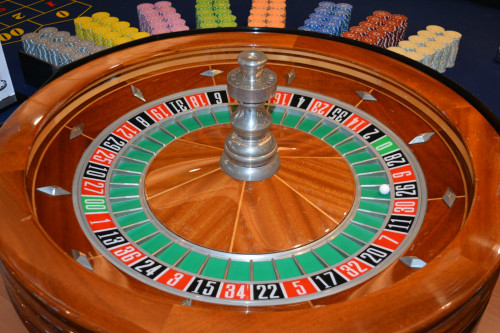
When roulette crossed the Atlantic in the 19th century, American casinos added an extra green pocket – the double zero (00) – to increase the house’s advantage. This means the American wheel has 38 pockets in total. That small change has a big impact: the house edge jumps to about 5.26%.
For players, this means a lower chance of winning on simple bets like red/black. However, American Roulette is known for its faster tempo and high-energy atmosphere, especially in the buzzing casinos of Las Vegas and Atlantic City.
The added risk makes the game more unpredictable – and for some, more thrilling. It’s a version that appeals to those who enjoy speed, intensity, and the excitement of big swings.
How the variations change the game’s dynamics
Though the differences between versions may seem minor, they influence the game’s dynamics in several ways:
- Pace: American Roulette tends to move faster, while French Roulette is more deliberate and ceremonial.
- Strategy: French Roulette allows players to use special rules to limit losses, while American Roulette demands a higher tolerance for risk.
- Atmosphere: European Roulette sits comfortably in the middle – elegant yet efficient.
- Probabilities: The extra zero in the American version doesn’t just alter the maths; it changes how players experience control and suspense.
For experienced players, choosing a version can be a strategic decision. For newcomers, it’s often about the feel of the game. Either way, understanding the differences can make a noticeable impact on both your enjoyment and your chances.
Which version should you choose?
If you’re after the best odds and a more tactical experience, French Roulette is your best bet. If you prefer a straightforward, fast-paced game, European Roulette is the ideal choice. And if you’re drawn to the high-energy atmosphere of Las Vegas, American Roulette delivers that classic thrill.
In the end, roulette is about more than luck – it’s about finding the version that matches your style and temperament. Once you know the distinctions, you can play with both confidence and enjoyment.
Læs også: