Simple Principles for Structuring Your Roulette Bets


Simple Principles for Structuring Your Roulette Bets
Roulette is one of the most recognisable games in any casino – easy to learn, yet endlessly fascinating. Whether you play for the thrill of it or simply to enjoy a night out, having a clear structure for your bets can make the experience more enjoyable and more disciplined. Here are some simple principles to help you structure your roulette bets so you can play with confidence and keep control of your game.
Understand the Basics of the Game
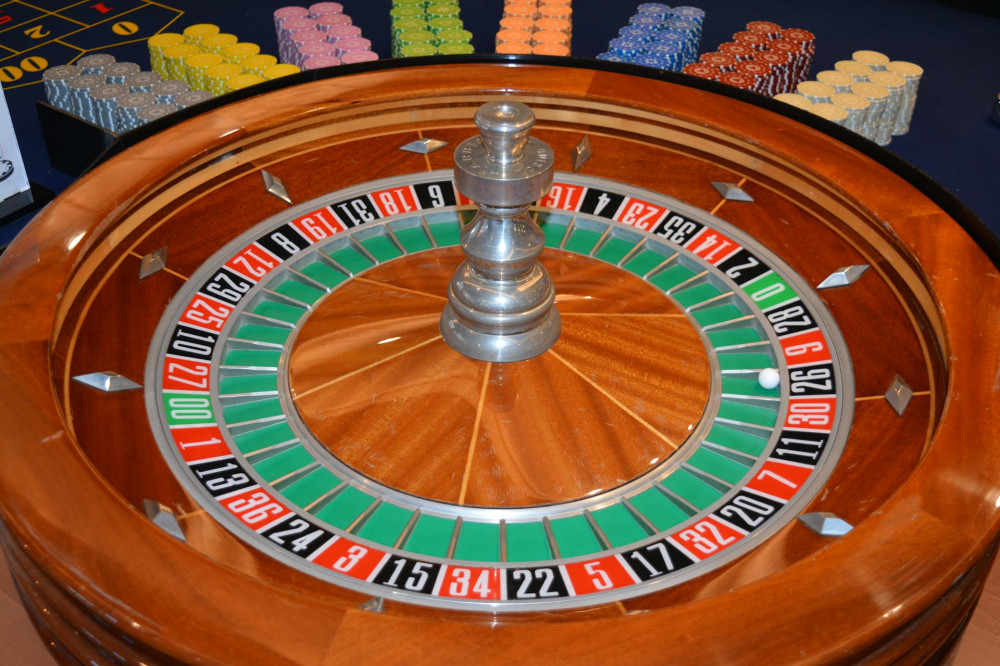
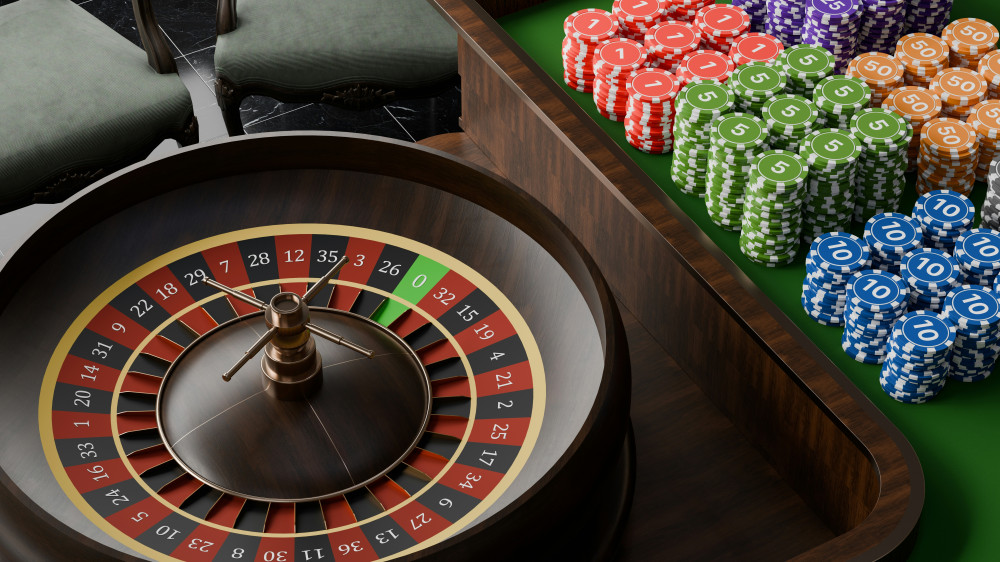
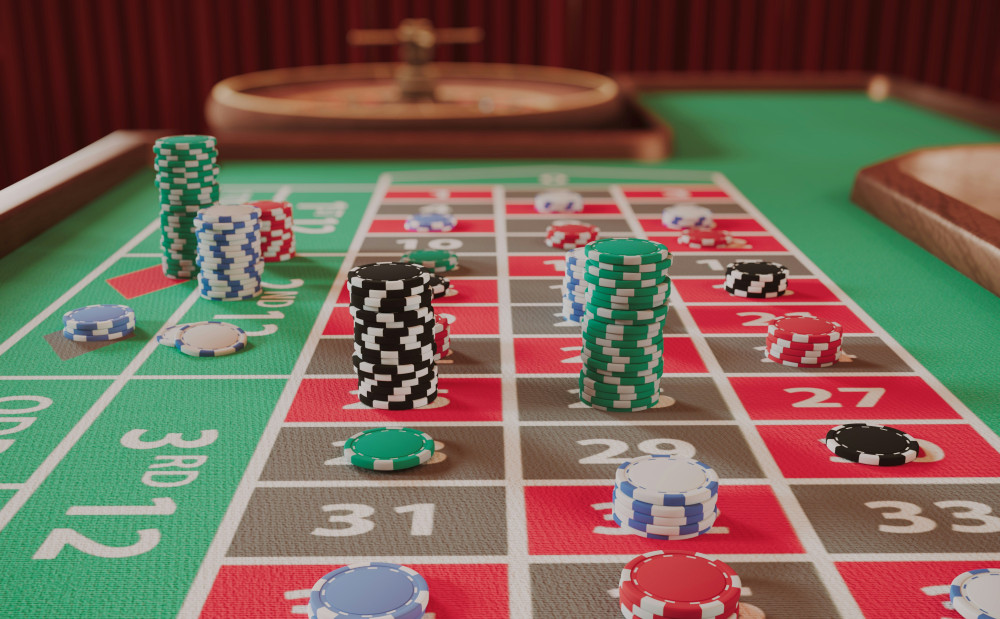
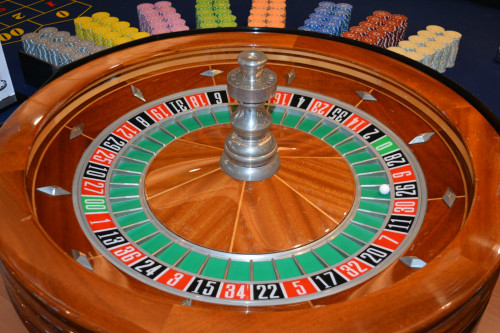
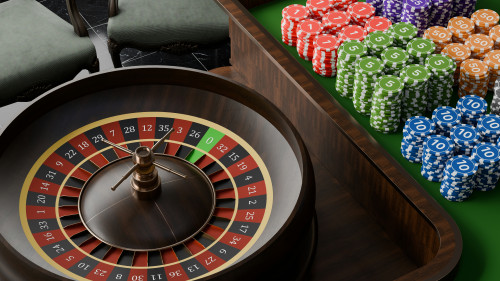
Before thinking about strategies, it’s important to understand how roulette works. The European roulette wheel, which you’ll find in most Irish casinos and online platforms, has numbers from 0 to 36 – half red, half black, and a single green zero. You can bet on individual numbers, colours, rows, or groups of numbers. The higher the chance of winning, the lower the payout – and vice versa.
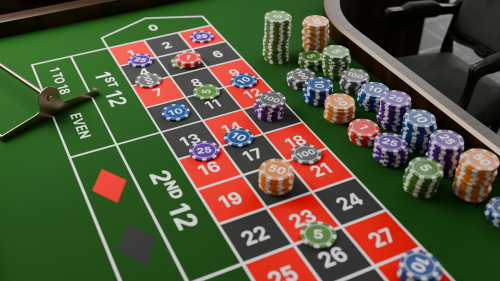
Knowing the difference between inside bets (bets on specific numbers or small groups) and outside bets (bets on colours, odd/even, or high/low numbers) is the first step to structuring your play. Inside bets offer higher payouts but are harder to hit, while outside bets win more often but pay less.
Set a Clear Budget
One of the most important principles in any game involving money is to set a firm budget – and stick to it. Decide in advance how much you’re willing to spend and treat it as the cost of entertainment. Once your budget is gone, the game is over.
A good rule of thumb is to divide your total amount into smaller units so you can play several rounds without risking everything at once. This gives you more playing time and allows you to adjust your approach as you go.
Choose a Betting Structure That Suits You
There are many ways to structure your bets, but the key is to choose an approach that matches your risk tolerance and personality.
- Flat betting – you wager the same amount each time. This keeps things steady and predictable, ideal if you want to play for longer without big swings.
- Progressive betting – you adjust your bet based on the outcome. Some players increase after a loss (to recover previous losses), while others increase after a win (to ride a “winning streak”). Either way, it requires discipline and clear limits.
- Mixed strategy – you can also combine different types of bets, such as placing a steady bet on colour and a smaller one on a specific number. This adds variety and balances risk with stability.
Keep Control of the Game’s Rhythm
Roulette can move quickly, especially online where the wheel spins at a fast pace. A good structure also means managing your tempo. Take breaks and avoid letting emotions drive your decisions. Many players start betting more impulsively after a win or a loss – but this is exactly when structure and calm thinking matter most.
A simple trick is to decide how many rounds you’ll play before taking a break. It helps you stay focused and prevents you from getting caught up in the moment.
Læs også:

Use Statistics as a Guide – Not a Guarantee
Roulette is a game of chance. Each spin is independent of the last, and no system can predict the outcome. Still, statistics can be a useful tool for structure. By noting which types of bets you make and how they perform over time, you can get a better sense of what suits your playing style.
But remember: statistics are for reflection, not prediction. Use them to understand your own habits, not to chase patterns that don’t exist.
Play with Purpose – Not Pursuit
Finally, remember why you’re playing. Roulette should be entertainment, not a chase for quick wins. When you play with a clear structure, a set budget, and realistic expectations, you’ll have a far better experience – no matter where the ball lands.
Structuring your roulette bets is ultimately about finding balance between excitement and control. It allows you to enjoy the game, stay composed, and leave the table with a positive experience – win or lose.
Læs også: