Patience at the Roulette Table: When Observation Becomes Part of the Strategy

Patience at the Roulette Table: When Observation Becomes Part of the Strategy
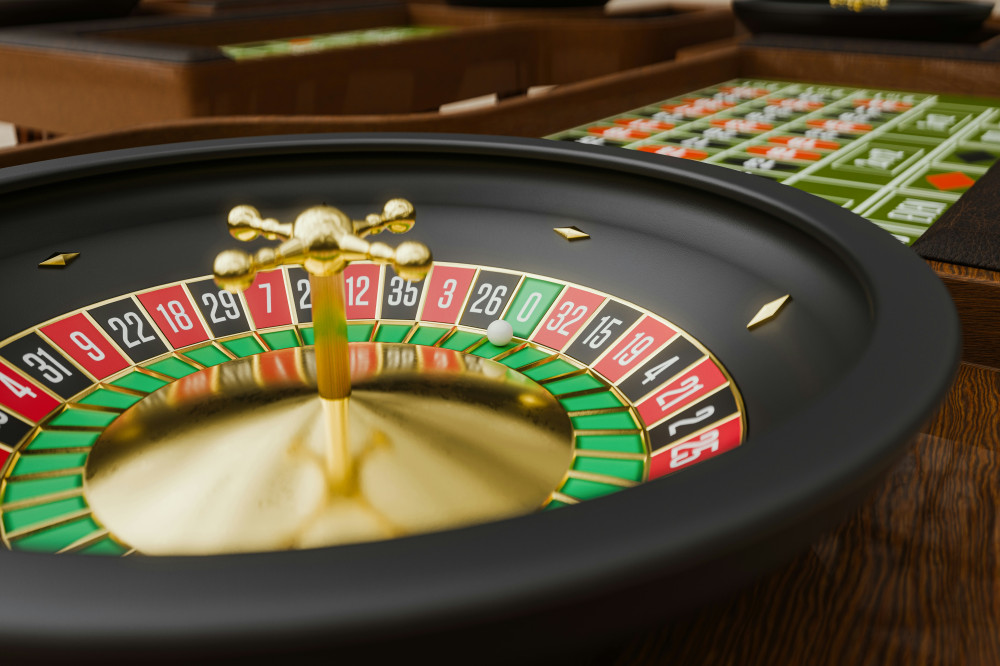
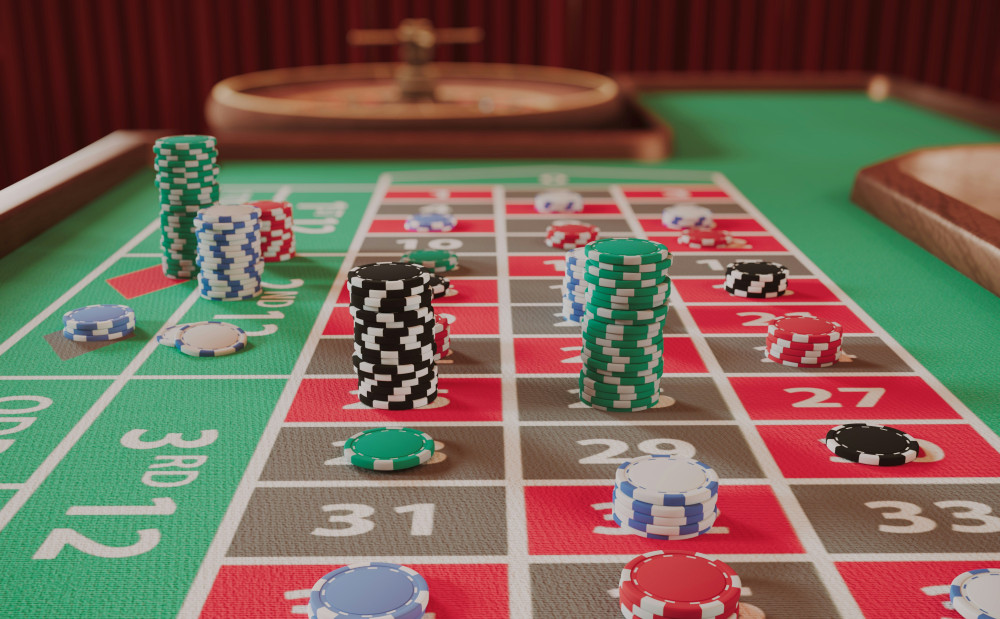
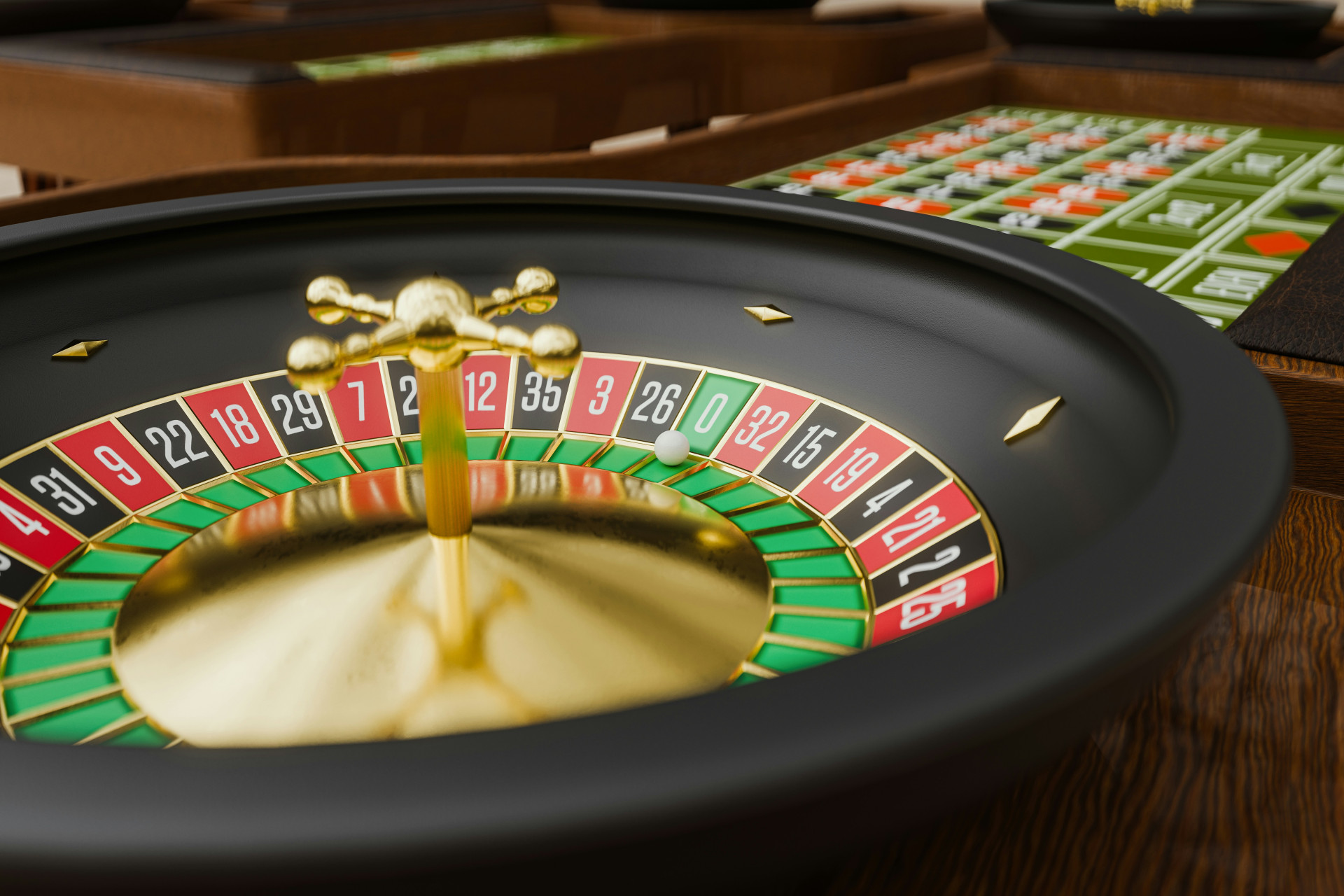
Roulette is one of the most recognisable games in the casino world – a spinning wheel, a bouncing ball, and a moment of suspense that captures everyone’s attention. For many, it’s a game of pure chance, but for the patient player, there’s more to it than luck alone. Observation, timing, and composure can become part of a personal strategy – not to predict the outcome, but to understand the rhythm of the game and one’s own reactions to it.
The Nature of the Game – and the Illusion of Control
At its core, roulette is a game of randomness. Each spin is independent, and the wheel has no memory. Yet, players often look for patterns, streaks, or signs that might hint at what’s coming next. It’s a natural human instinct – we want to find meaning in the unpredictable.
This is where patience becomes a strength. Instead of chasing quick wins or believing that “black is due,” the observant player takes time to watch the flow of the game, to notice how they respond to wins and losses, and to see how the atmosphere at the table influences their decisions. In Irish casinos, where the social side of gaming is often part of the fun, this awareness can make the experience more enjoyable and less stressful.
Observation as a Mental Strategy
Observation at the roulette table isn’t about finding a foolproof system – because such a system doesn’t exist. It’s about learning when you play your best. Some players realise they make better choices after watching a few spins without betting. Others use observation to recognise when they’re starting to act on impulse rather than reason.
By stepping back and watching, you create a mental distance that helps you stay calm. That calmness can be the difference between playing for enjoyment and getting caught up in the chase for a win. In a lively casino in Dublin or Galway, taking a moment to observe before joining in can help you find your rhythm and play with a clearer mind.
Patience as Protection Against Overconfidence
Roulette can quickly give a sense of control – especially after a few lucky spins. But overconfidence is one of the biggest traps. Patience helps keep your feet on the ground. The patient player knows that luck swings both ways, and that the goal is balance, not chasing patterns or doubling down after a loss.
A simple but effective approach is to set clear limits: how long you’ll play and how much you’re willing to stake. Sticking to that plan turns patience into a practical tool – one that protects both your wallet and your enjoyment of the game.
Læs også:
Reading the Table – and Yourself
Even though roulette is a game of chance, every table has its own atmosphere. Some are loud and energetic, others quiet and focused. Observing the table’s mood can help you find the environment that suits you best. Some players prefer a calm corner where they can think clearly; others thrive in the buzz of a busy table where the energy adds to the excitement.
But the most important thing to read is yourself. When do you start playing too quickly? When do you feel impatient? Recognising these moments takes exactly what the game rarely rewards – time and reflection. Yet, that awareness can make all the difference between a mindful player and a reckless one.
Playing for the Experience – Not the Chase
Roulette can be a fascinating experience when you see it as a game, not an investment. Patience and observation allow you to enjoy the process – the sound of the wheel, the anticipation as the ball slows, and the shared excitement around the table.
When you play with awareness and calm, roulette becomes less about winning and more about being present in the moment. And perhaps that’s where the real reward lies – not in the number the ball lands on, but in the way you play the game.
Læs også: