Bingo Across Generations: How Age Shapes the Game’s Charm

Bingo Across Generations: How Age Shapes the Game’s Charm
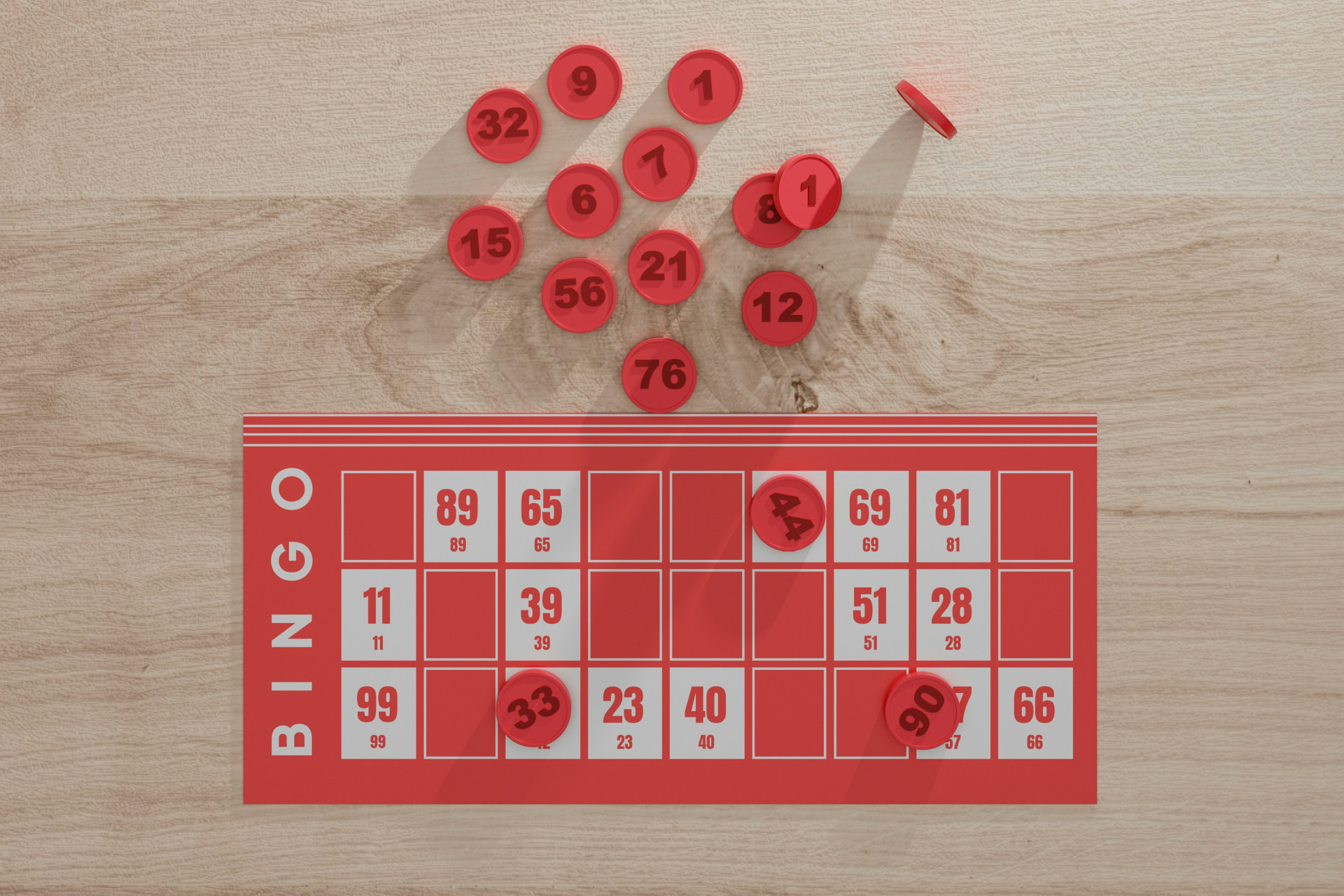
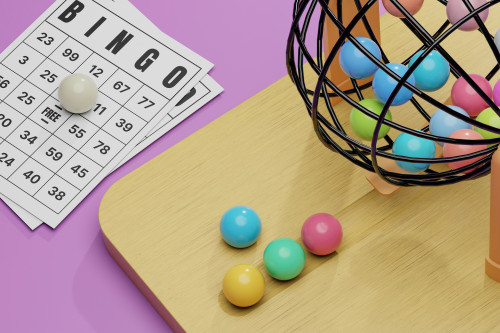
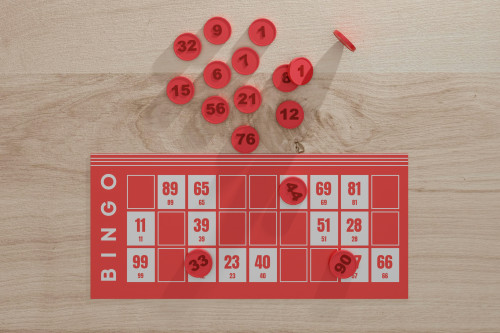
Bingo might seem like a simple game: numbers are called, cards are marked, and excitement builds until someone shouts “Bingo!”. Yet behind the numbered squares lies a pastime that has travelled through generations, adapting to the times and to the people who play it. For some, it’s a cherished social ritual; for others, a nostalgic nod to the past or a fresh form of entertainment. Bingo’s enduring charm lies in how it changes with us.
A Game with Irish Roots and Rhythm
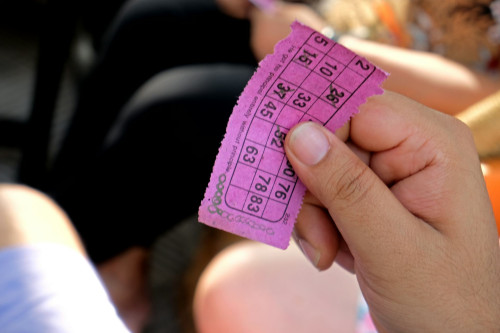
Bingo has deep roots in Ireland’s social life. From parish halls to community centres, it became a staple of local gatherings in the mid-20th century. In towns and villages across the country, bingo nights were more than just games—they were social events. People came not only to win a turkey or a hamper but to meet neighbours, share stories, and enjoy a cup of tea.
For many older Irish players, bingo is woven into memories of community spirit and belonging. The familiar rhythm of numbers being called, the friendly banter, and the quiet concentration over the cards create a comforting sense of continuity. It’s not just about luck; it’s about connection.
The Younger Generation’s Bingo Revival
In recent years, bingo has found new life among younger generations—but in very different forms. “Drag bingo,” “music bingo,” and themed nights in pubs and clubs have turned the traditional game into a lively social experience. Here, the focus is less on the prizes and more on the fun. Music, laughter, and a touch of irony have made bingo cool again.
For younger players, bingo often carries a sense of playful nostalgia. Where their grandparents might have sat in a parish hall with a pencil and paper, today’s players might be in a Dublin bar, phone in hand, cocktail nearby, and a DJ calling the numbers. The essence of the game remains, but the atmosphere and purpose have evolved.
A Meeting Point Between Generations
One of bingo’s greatest strengths is its ability to bring people together across ages. The rules are simple, and no special skills are required, making it accessible to everyone. Families can play together, and communities can gather around it, bridging gaps that few other activities manage to close.
When a grandmother and her grandchild sit side by side, each with their own card, something special happens. The game becomes a shared space where age doesn’t matter, and laughter replaces difference. That’s the quiet magic of bingo—it creates moments of togetherness that feel timeless.
Læs også:
From Halls to Screens – The Same Heartbeat
Technology has transformed how bingo is played. Online bingo sites and mobile apps have made it possible to join a game anytime, anywhere. For some older players, this shift has been a challenge; for others, it’s a welcome way to stay connected. Many online platforms include chat rooms, allowing players to talk as they play—a digital version of the friendly chatter once heard in community halls.
For younger players, the digital format feels natural. They see bingo as a quick, fun break in their day—a game that fits into modern life while still offering a sense of shared excitement.
Why Age Matters
Age shapes how we experience bingo because it reflects what we seek in social life. Older players often value tradition, familiarity, and companionship. Younger ones look for energy, humour, and novelty. Yet both are drawn to the same core feeling: the joy of being part of something, of sharing a moment with others.
Bingo, then, is more than a game. It’s a reflection of life’s stages—from youthful playfulness to the calm of later years. Whether played in a parish hall, a pub, or on a phone screen, bingo continues to bring people together, one number at a time.
Læs også: