Spin the wheel of regret: Why not gamble your fate with roulette?
Spin the wheel of regret: Why not gamble your fate with roulette?
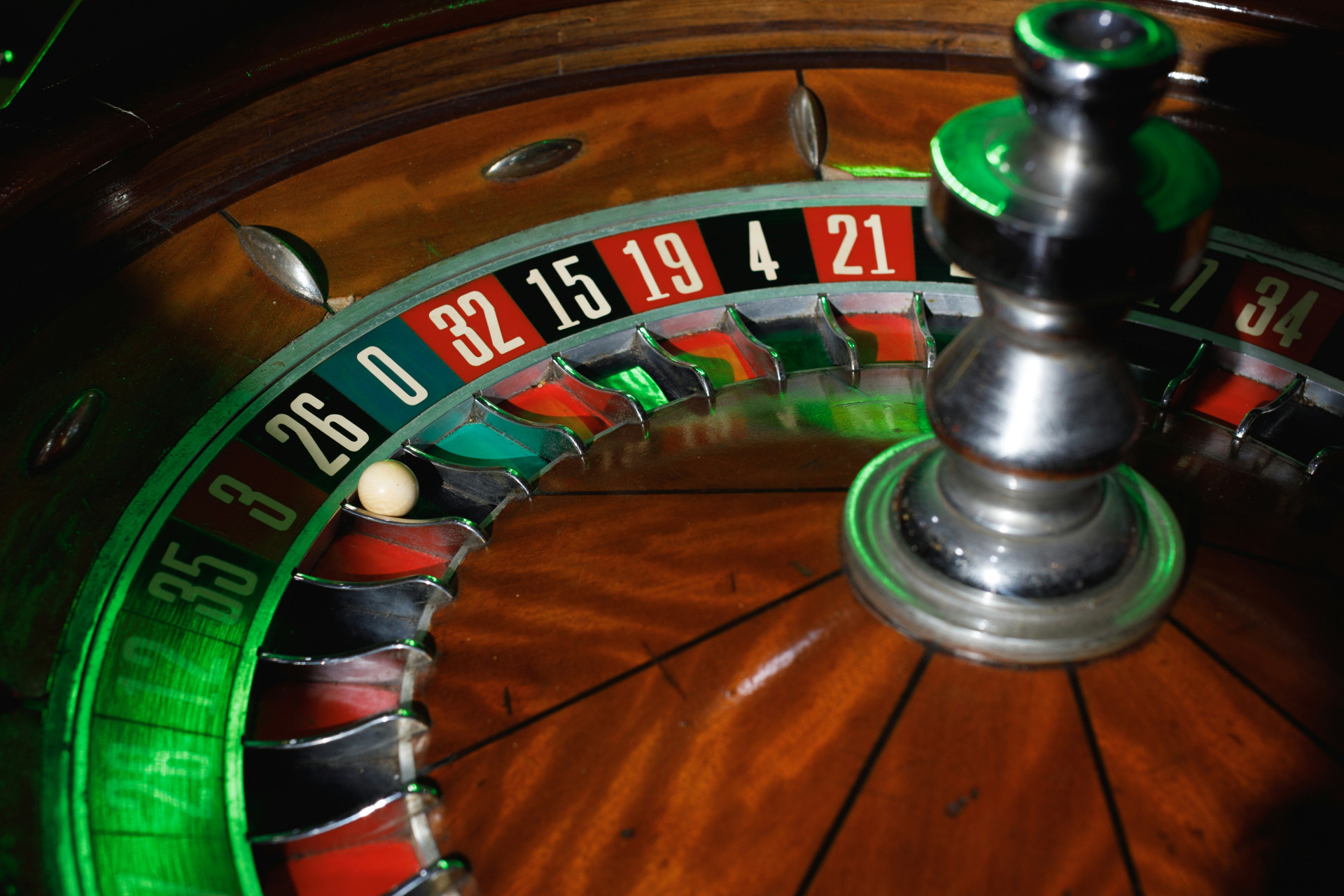
Roulette is a game that has captured the imagination of gamblers for centuries. The elegant spinning wheel, the anticipation of the bouncing ball, and the thrill of winning or losing all come together in a tantalizing dance of fate. Yet, with every spin, there comes the weight of regret. This article explores the allure of roulette and the complex emotions that can accompany this popular casino game.
The Allure of the Wheel
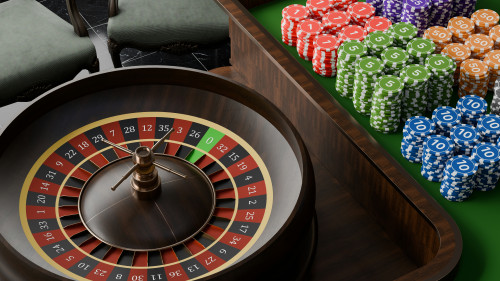
At first glance, roulette is deceptively simple. Players place their bets on a table featuring a series of numbers and colors. The croupier spins the wheel in one direction while sending a small ball spinning in the opposite direction. As the ball loses momentum, players watch and wait, hoping for a lucky outcome. The visually stimulating design of the wheel, combined with the social atmosphere of the casino, creates an addictive environment where risks feel exhilarating.
The excitement of roulette lies not only in the game itself but also in the moments leading up to each spin. The energy in the room builds as players shout their bets and anxiously await the outcome. It’s a roller coaster of emotions, a mix of hope and dread that keeps players coming back for more. The question is: how much are you willing to risk for that brief moment of euphoria?
Understanding the Odds
When engaging with roulette, players must understand the odds. The game offers various betting options, each with different potential payouts. Betting on a single number yields the highest payout but comes with the lowest probability of winning. Conversely, betting on red or black has almost a 50% chance of winning, but the bonus is smaller. Understanding these odds plays a crucial role in a players strategy—or in some cases, lack thereof.
Its essential to recognize that the house always has an advantage. The inclusion of the green zero (and double zero in American roulette) guarantees that the casino will always profit in the long run. Despite this, the thrill of hitting the jackpot or simply breaking even can blind many to the inevitable conclusion that the house always wins.
The Psychology of Gambling
The psychology behind why people gamble is intricate. For many, roulette is not just a game; it’s an escape from reality. The glamor of the casino, the rush of adrenaline, and the chance of a life-changing win can be intoxicating. However, alongside this thrill lies a specter of regret—over lost bets, mistaken strategies, or chasing a loss that was never meant to be recovered.
Gamblers may experience a phenomenon known as “loss aversion,” where the fear of losing money outweighs the joy of winning. This often leads players to make irrational decisions during gameplay, such as increasing their bets after a loss in hopes of a quick recovery. This cycle can spiral out of control, pushing individuals deeper into financial trouble while perpetuating the emotional roller coaster of regret.
The Social Elements of Roulette
Roulette is often enjoyed in a social atmosphere, where camaraderie and competition intertwine. Friends gather around the table, sharing hopes, wagers, and outcomes. Strangers become temporary allies, united by the game’s unpredictability. However, the bonds formed at the roulette table can also become the source of regret. When one person wins while another loses, feelings of envy and frustration can arise. It’s a complex tapestry of human emotions, where joy and sorrow coexist.
The communal aspect of gambling can lead to peer pressure, causing individuals to wager beyond their comfort zones. The desire to fit in or impress friends can misguide judgment, transforming simple entertainment into a reckless gamble with far-reaching consequences.
Regret and Reflection
Every gamble comes with its own set of risks and rewards, and roulette is no exception. Many players leave the table with a sense of regret, whether from financial losses, missed opportunities, or decisions influenced by the chaos of the moment. Reflecting on these experiences is often painful, but it can also be a catalyst for growth.
Recognizing and understanding the feelings of regret can lead to healthier gambling habits. Learning from past experiences fosters a deeper appreciation for the thrill while also highlighting the importance of setting limits. After all, the inevitable spin of the wheel isn’t just about chance; it’s also about making informed decisions in the face of uncertainty.
Finding the Balance
The key to enjoying roulette lies in finding a balance between fun and responsibility. Set a budget before stepping into the casino, and stick to it. Play for entertainment, not as a means to solve financial problems. By maintaining this mindset, gamblers can indulge in the excitement of roulette while minimizing the chances of regretting their decisions later.
Ultimately, roulette is more than just a game of chance; it’s a microcosm of life—full of unexpected twists, highs, and lows. As players sit at the table, they must remember that every spin has the potential to evoke feelings of both euphoria and regret. It’s up to them to navigate that winding path wisely.